Troubleshooting of Starting Difficulty of Diesel Engine
author: Jack Zheng
2023-05-06

Fault Phenomenon: The crankshaft rotation speed is normal when starting, but it takes a long time to start, or there are obvious signs that the crankshaft can't start.
Failure Cause:
Air leakage in the intake system
Low fuel pressure
Clogging of air filter
Fault of water temperature sensor
Malfunction of air Flowmeter
Failure of idle speed control valve or additional air valve
Failure of cold start injector
Leak of injector
Incorrect ignition timing
Starting switch to computer connection broken
Cylinder compression pressure is too low
Low fuel pressure
Clogging of air filter
Fault of water temperature sensor
Malfunction of air Flowmeter
Failure of idle speed control valve or additional air valve
Failure of cold start injector
Leak of injector
Incorrect ignition timing
Starting switch to computer connection broken
Cylinder compression pressure is too low
Fault Diagnosis and Troubleshooting:
A. Perform fault self-diagnosis. If there is a fault code, use it to find the corresponding cause of failure.
B. Check the vacuum of the inlet during idling. If the vacuum degree is less than 667 kPa, check for air leakage in the intake system at the joints, gaskets, vacuum hoses, exhaust gas recirculation system, and fuel evaporation recovery system.
C. Check the air filter. If it is clogged, clean or replace it.
D. Check the idle speed control valve and the additional air valve. If the engine can start normally when the throttle is about 1/4 open but is difficult to start when the throttle is completely closed, these valves should be checked for proper operation. During cold car idling operation, unplug the idle control valve harness or clamp the additional air valve hose with pliers during idle running. If engine speed does not decrease, the idle speed control valve does not work properly. Check the valve and its control circuit.
E. Check fuel pressure. Use a wire to short the two test sockets of the electric gasoline pump, then turn on the ignition switch to make the electric gasoline pump run. In this condition, the fuel pressure should be about 300 kPa. If the pressure is too low, check the oil pressure regulator for oil leakage, gasoline filter plug, and gasoline pump maximum pump oil pressure.
F. Check water temperature sensor or air Flowmeter. Unplug the water temperature sensor or air Flowmeter wire harness and measure the resistance between the water temperature sensor and the air Flowmeter terminal using a multimeter. If the resistance value does not meet the standard, replace the sensor.
G. Check that the cold start injector works properly. If it is difficult to start in a cold car and start normally in a hot car, check whether there is a voltage of about 12 V at the plug of the wire harness of the cold starting injector. If there is no voltage, the control circuit is faulty, and the cold start temperature-time switch and its control circuit should be checked. If there is a voltage at the wire harness plug during starting, check that the electromagnetic coil resistance of the cold start injector is normal and that the nozzle hole is not blocked.
H. Check fuel system pressure. If it is not easy to start in the hot car, check that the fuel system pressure is normal after the ignition switch is off. Measure the fuel pressure with an oil pressure meter. After turning off the ignition switch, the fuel pressure should be kept not less than 150 kPa within 5 min. If the pressure is too low, check for oil pressure regulators, electric gasoline pumps, injectors, etc.
I. Check ignition timing during idle run. If it does not meet the standard value, adjust it.
J. Check the starting signal from the start switch to the computer. If the starting signal of the starting switch is not received by the computer, the starting thickening control cannot be carried out, which will lead to the difficulty of starting. Check from the computer wire harness plug to start whether there is a starting switch signal to the computer.
8 Essential Tips for Maintenance of Your Commercial Generator
How Often Should a Cummins Generator be serviced?
Related Article
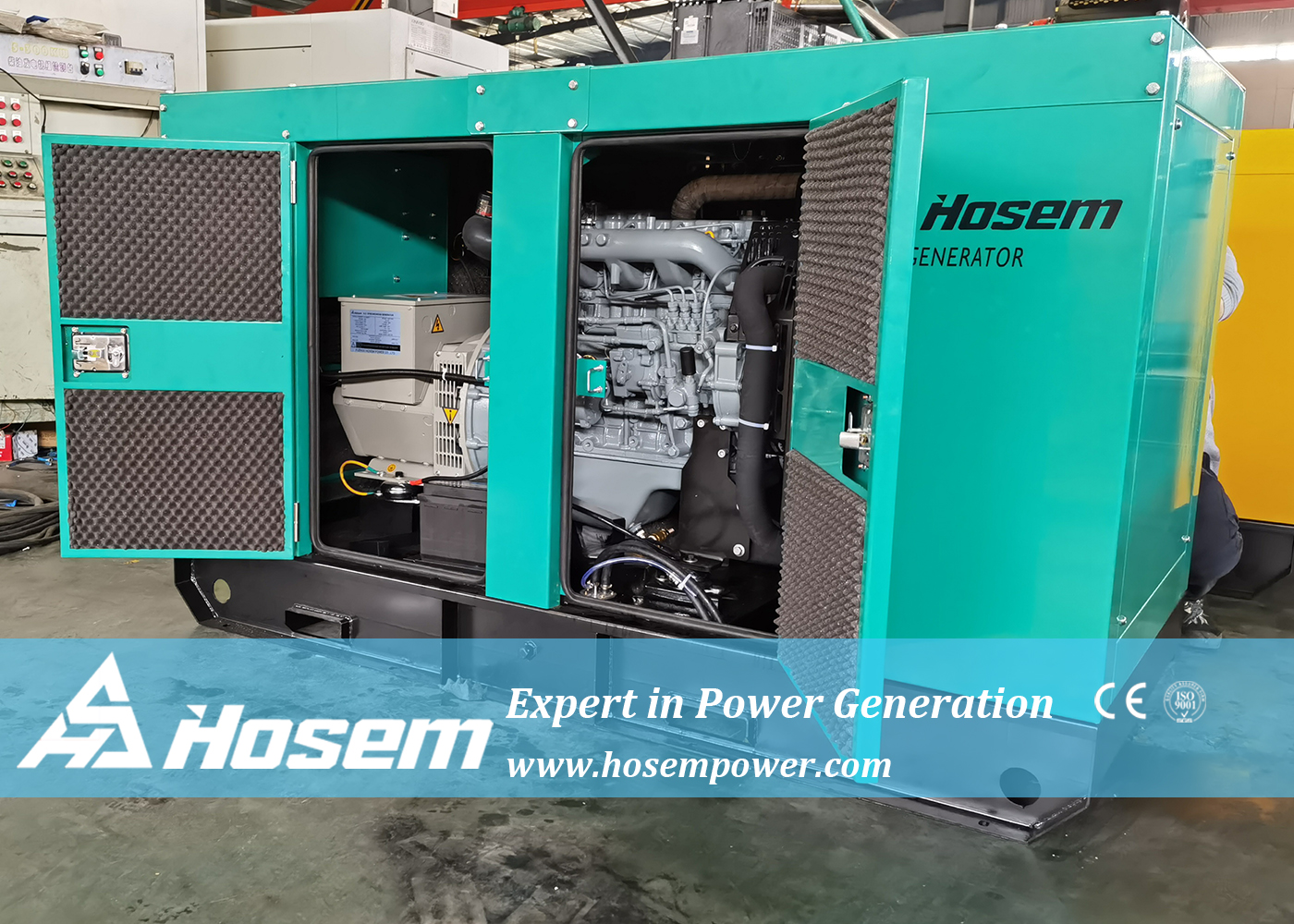
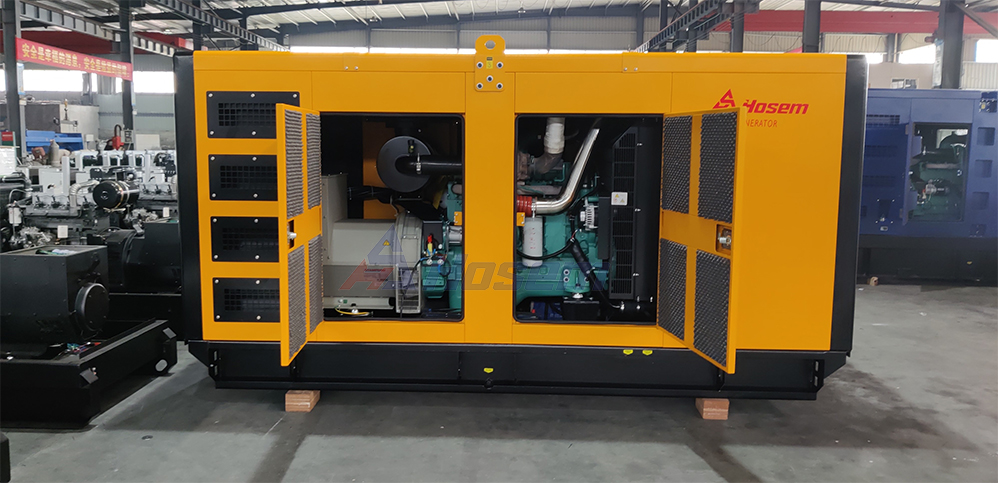
Understand the difference between air-cooled and water-cooled diesel generator cooling mechanisms: Air-cooled generators rely on fans to circulate air for cooling, while water-cooled generators use a coolant cooling system and radiator system to lower the temperatures.
The Difference Between Air Cooled and Water Cooled Diesel Generators